Understanding the Key Differences Between Residential and Commercial HVAC Systems Call for Your Free Estimate Today
- Jenny Arroyo
- Aug 27, 2025
- 3 min read

When it comes to heating, ventilation, and air conditioning (HVAC) systems, knowing the differences between residential and commercial setups is important for both homeowners and business owners. Each type of system is designed to meet specific demands. Understanding these differences helps you make informed decisions for your heating and cooling needs.
What is Residential HVAC?
Residential HVAC systems cater to individual homes and small buildings. These systems are designed to provide comfort and efficiency for a limited number of occupants. They are generally smaller in size and capacity, making them suitable for residential applications.
Key Features of Residential HVAC Systems
Size and Capacity: Residential systems typically range from 1.5 to 5 tons in capacity. For example, a 2,000 square foot home generally requires a 3-ton system for optimal heating and cooling.
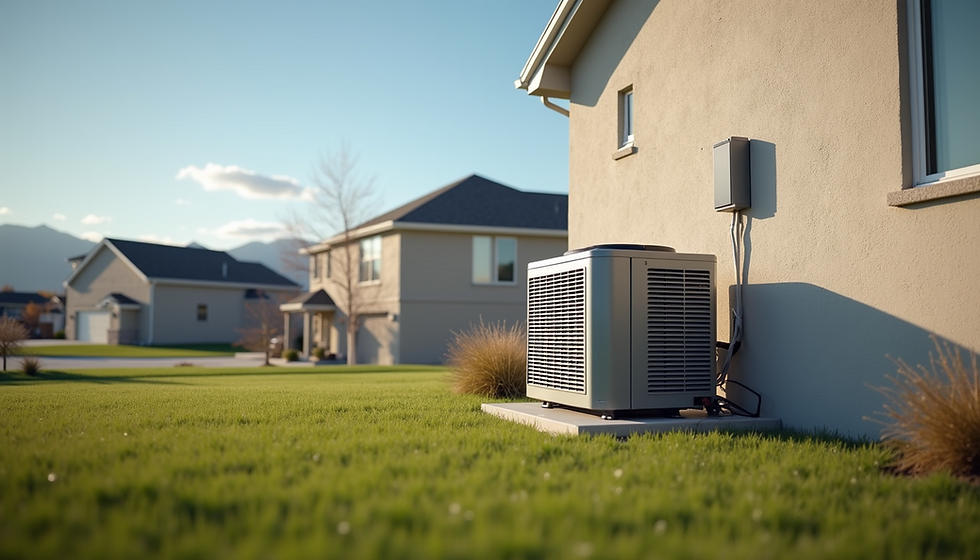
Installation: The installation of residential systems tends to be straightforward and cost-effective. Many systems can fit in attics or basements; for example, a split system can be mounted outside, saving space indoors.
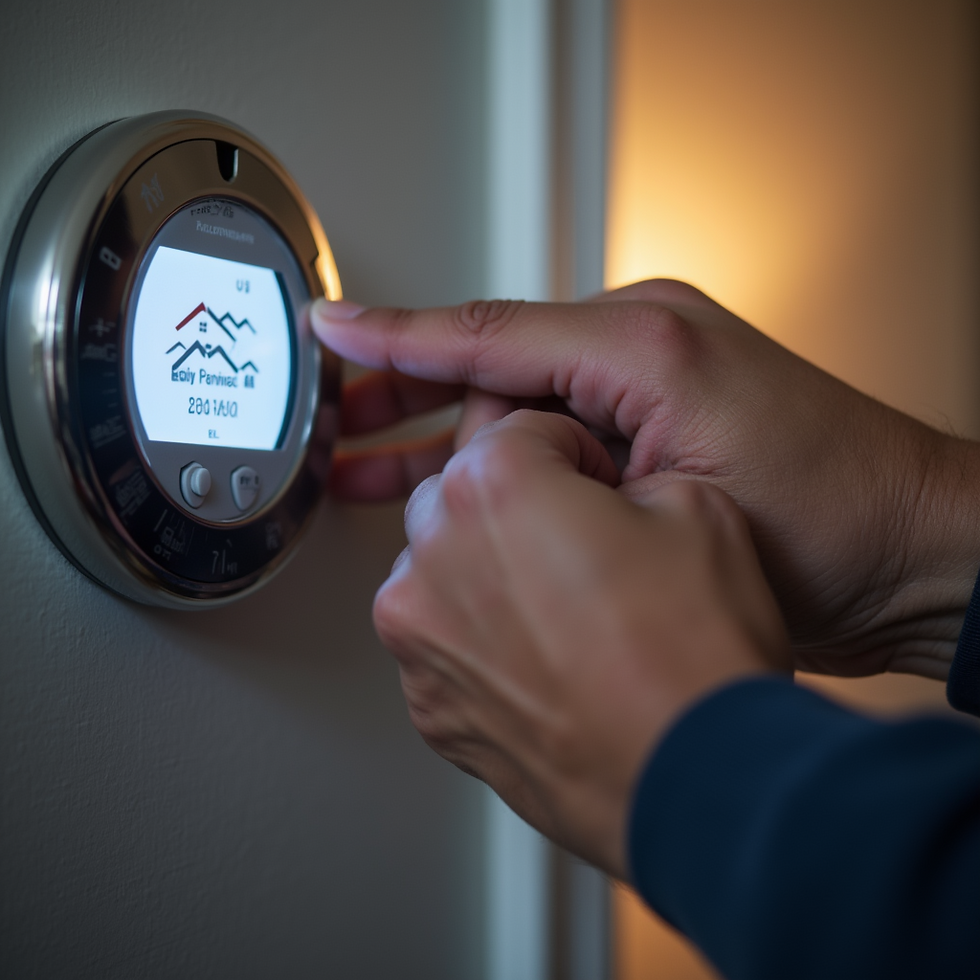
Control Systems: Most residential HVAC setups come with basic thermostats. Some modern versions include smart thermostats, allowing homeowners to adjust temperatures remotely. A study indicated that smart thermostats can save households up to 15% on annual energy costs.
Maintenance: Maintenance is simpler and can often be done by homeowners or local technicians. Regular filter changes can drastically improve system efficiency and lifespan.
What is Commercial HVAC?
Commercial HVAC systems are designed for larger facilities such as offices, schools, and shopping centers. These systems need to handle the demands of a greater number of occupants and typically boast more complex configurations.
Key Features of Commercial HVAC Systems
Size and Capacity: Commercial systems can exceed 20 tons. For instance, a school building with multiple classrooms may require several 10-ton units to keep all areas comfortably cooled.
Installation: Installing commercial HVAC systems involves a more complex process and requires specialized contractors. Multiple units and extensive ductwork might be necessary, particularly in buildings that span a large area.
Control Systems: These systems often feature advanced controls that allow for zoning. With zoning, a 50,000-square-foot office building can maintain different temperatures in various sections to enhance comfort.
Maintenance: Maintenance is more elaborate and should be performed by specialized technicians. Regular professional servicing can extend the system's life. It is recommended that commercial systems receive checks at least twice a year.
Energy Efficiency Considerations
Energy efficiency is a crucial factor in both residential and commercial HVAC systems, but the ways they achieve it can differ.
Residential Energy Efficiency
Residential HVAC systems often focus on the Seasonal Energy Efficiency Ratio (SEER) for efficiency ratings. Homeowners can opt for energy-efficient units which may qualify for tax credits, saving them an average of 30% on energy bills compared to standard models.
Commercial Energy Efficiency
Commercial HVAC systems use metrics like the Energy Efficiency Ratio (EER) and often aim for certifications, such as LEED (Leadership in Energy and Environmental Design). Businesses that invest in high-efficiency systems may see operational costs drop by 20% or more, further enhancing their productivity.
Cost Differences
The costs of HVAC systems can vary significantly between residential and commercial applications.
Residential Costs
Generally, residential HVAC systems are less expensive to buy and install. Homeowners can choose from various options that fit their budget, from baseline units starting around $2,500 to more efficient systems costing as much as $10,000.
Commercial Costs
In contrast, commercial HVAC systems come at a higher initial price due to their size and complexity, often ranging from $15,000 to $50,000 or more. However, businesses frequently benefit from long-term savings through energy efficiency, which can offset initial high costs over time.
Final Thoughts
Grasping the differences between residential and commercial HVAC systems is essential for making informed decisions about your heating and cooling needs. Whether you are a homeowner upgrading your system or a business aiming to optimize your HVAC setup, recognizing these distinctions helps in choosing the best solution for your specific situation.
If you're considering an HVAC installation or upgrade, reach out for expert guidance. Harris Air Systems is ready to offer valuable insights and services tailored to both residential and commercial needs.
Request Your Free Estimate Today!
Contact us today for a free estimate and let our experienced team help you find the ideal HVAC solution that meets your requirements.



Comments