Understanding the HVAC Installation Process in Commercial Buildings with Expert Insights
- Jenny Arroyo
- Aug 27, 2025
- 3 min read

When it comes to keeping commercial spaces comfortable, a well-functioning HVAC (Heating, Ventilation, and Air Conditioning) system is essential. The installation process for these systems is intricate, necessitating careful planning, skilled technicians, and a detailed understanding of various components. In this blog post, we will outline how HVAC installation works in commercial buildings, delving into the steps involved and highlighting the expertise required to ensure top-notch performance.
The Importance of HVAC in Commercial Buildings
HVAC systems are vital for regulating indoor temperatures, ensuring good air quality, and providing comfort for employees and patrons. In commercial settings, where large areas and fluctuating occupancy levels exist, an efficient HVAC system becomes even more critical. For example, a well-maintained HVAC system can reduce energy costs by up to 30%, significantly impacting a business's bottom line. Proper ventilation and climate control can lead to improved employee productivity, with studies showing that temperature-controlled workplaces can enhance performance by over 15%.
Planning and Design Phase
The HVAC installation process begins long before any physical work happens. The planning and design phase is crucial for identifying the specific needs of the building and its occupants. This phase typically involves:
Load Calculations: HVAC professionals conduct load calculations to assess the heating and cooling needs of the space. They consider factors such as building size, insulation quality, window placement, and occupancy levels. For example, a 10,000-square-foot office may require an HVAC system that can handle 120,000 BTUs of heating and cooling.
System Selection: Based on these calculations, the right HVAC system is chosen. Options might include rooftop units, split systems, or centralized systems, each suited to different building layouts and cooling needs.
Ductwork Design: Effective ductwork design is essential for optimal airflow. Technicians design the duct system to minimize resistance and ensure even distribution of conditioned air, potentially increasing HVAC efficiency by up to 25%.
Permitting and Compliance
Before installation begins, obtaining the necessary permits and ensuring compliance with local building codes and regulations is crucial. This step guarantees safety, efficiency, and adherence to legal standards, minimizing the risk of expensive fines or delays.
Installation Process
Once planning and permitting are complete, the actual installation can proceed. Key steps in this process include:
Site Preparation: The installation team clears the area where the HVAC equipment will be placed. This can involve removing previous equipment, addressing any structural concerns, and ensuring a safe environment for workers.
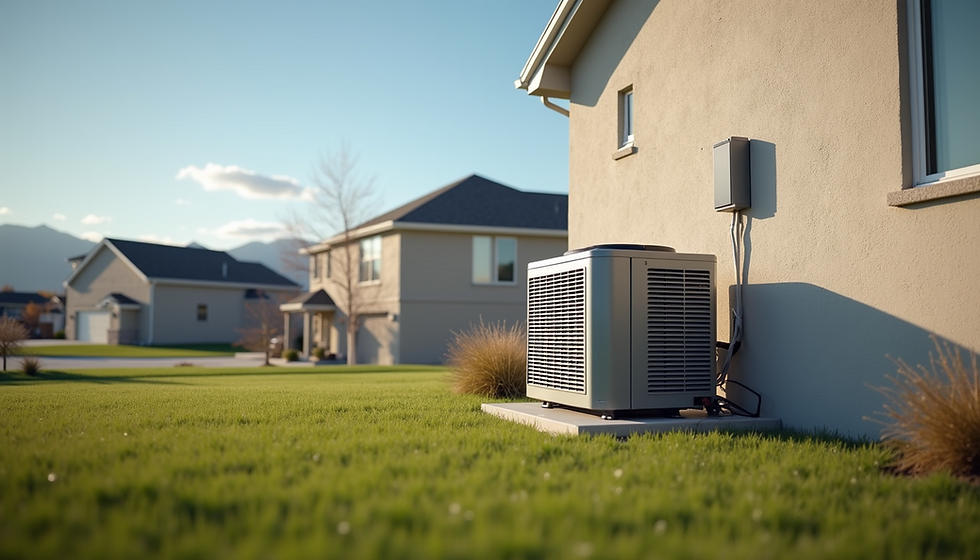
Equipment Installation: HVAC units are installed according to the manufacturer's guidelines. This includes carefully placing the units, securing them, and connecting them to electrical and plumbing systems.
Ductwork Installation: Ducts are then installed to link the HVAC units to the various rooms. Precision is essential to prevent leaks and maintain energy efficiency.
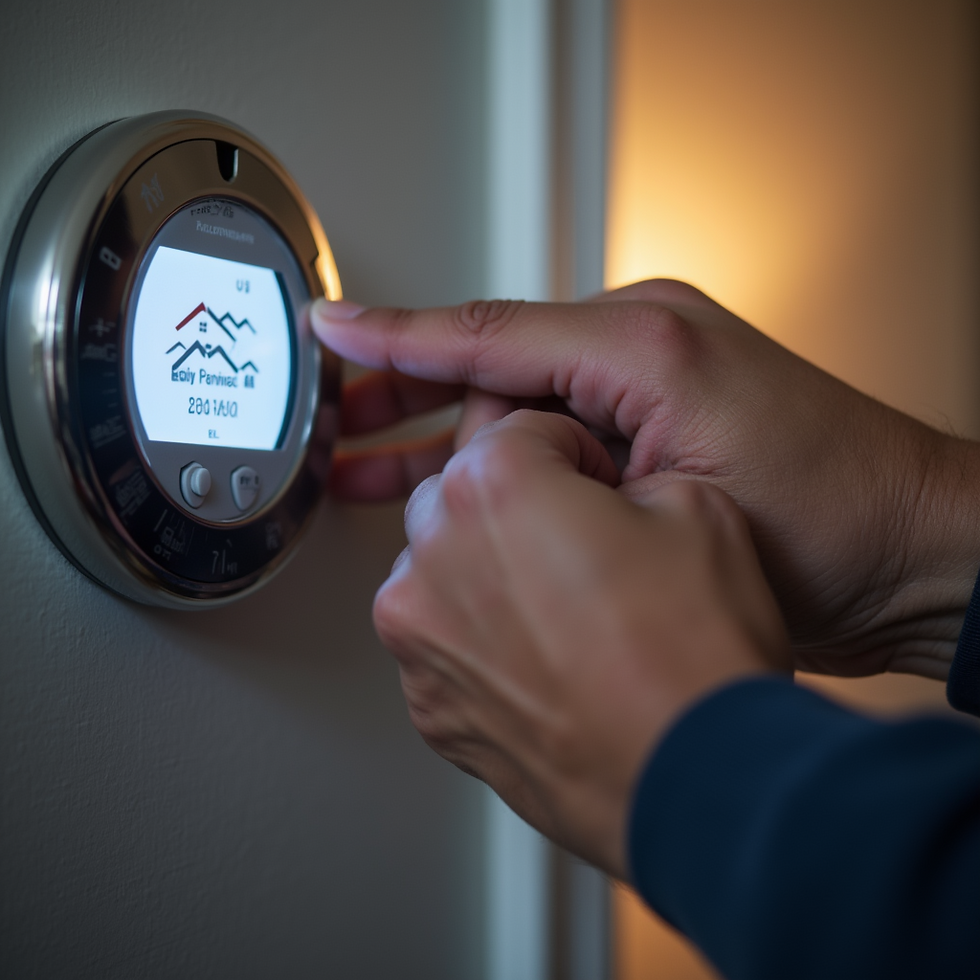
Thermostat and Control System Setup: The installation crew sets up the thermostat and control systems, allowing for simple temperature regulation and monitoring throughout the building.
Thorough Testing and Balancing
After installation, the system undergoes thorough testing and balancing, vital for ensuring efficient operation.
System Testing: Technicians check for issues such as unusual noises, leaks, or inadequate airflow by running the system under various conditions.
Balancing: Airflow is adjusted to guarantee that each room receives the appropriate amount of conditioned air. This may require adjusting dampers and modifying the ductwork.
Training and Ongoing Maintenance
At Harris Air Systems, we know that a successful HVAC installation goes beyond getting equipment installed. Our technicians undergo rigorous training to master every aspect of HVAC systems. Their training covers the intricacies of each component, identifying and troubleshooting common issues, and performing routine maintenance.
Regular maintenance is critical for keeping HVAC systems running smoothly. This includes changing filters every 1-3 months, cleaning coils, and checking refrigerant levels. Studies indicate that keeping up with maintenance can extend the lifespan of HVAC systems by 50% and help avoid costly repairs.
Final Thoughts
The HVAC installation process in commercial buildings is complex and requires thoughtful planning, skilled technicians, and regular maintenance. By understanding the phases and significance of each step, building owners can make better-informed decisions about their HVAC systems.
At Harris Air Systems, we take pride in our commitment to quality in commercial and residential HVAC installations. Our ongoing training ensures that our service technicians possess the knowledge and skills needed to tackle any HVAC challenge. By focusing on proper installation and consistent maintenance, you can guarantee a comfortable and efficient environment for everyone in your building.
Investing in a quality HVAC system and familiarizing yourself with the installation process can yield significant advantages, including improved air quality, energy efficiency, and overall comfort. Whether you are planning a new setup or considering an upgrade, collaborating with experienced professionals is the key to achieving exceptional results.

Comments